How Car Technology Has Transformed Since The First What Car? Awards
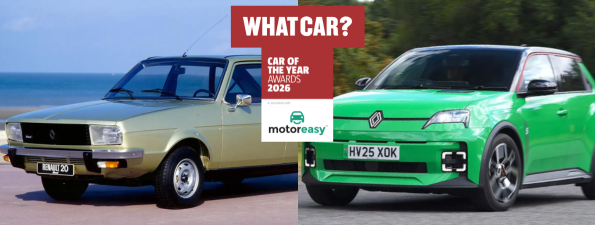
As the industry gathers to celebrate the best cars on sale today, it’s also a timely moment to reflect on just how far car technology has come since the awards were first introduced more than half a century ago.
When the first awards were presented in the 1970s, cars were judged on mechanical reliability, value for money and everyday usability. Safety features were basic, emissions barely considered and in-car technology rarely went beyond a radio and heater.
More than fifty years on, today’s vehicles are defined by software, sensors and connectivity. The awards offer a striking snapshot of how far the industry - and drivers’ expectations - have come.
The Mechanical Age: Laying The Foundations in the 1970s
In the early years of the What Car? Awards, cars were mechanically simple.
Manual gearboxes were the norm, power steering was a luxury and breakdowns were accepted as part of ownership.
Safety standards were improving but limited by modern expectations. Seatbelts were becoming more common, but airbags and anti-lock braking systems (ABS) were still years away from widespread use.
Buyers prioritised durability, running costs and the ability to cope with British roads - principles that still matter, but now form just part of a much broader assessment.
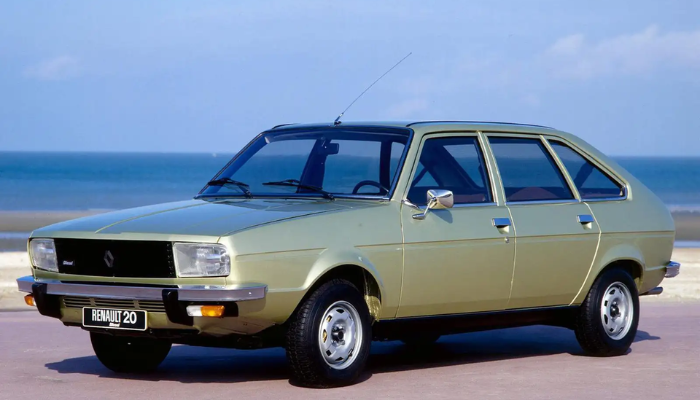
The Very First What Car? Car of the Year:
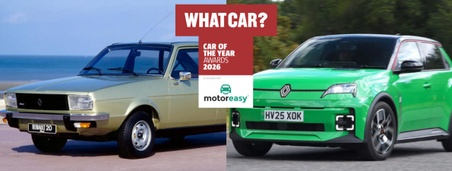
Awarded in 1978, the Renault 20 TS stood out by offering features such as power steering, electric windows and central locking at a time when they were usually reserved for more expensive cars.
The Digital Dawn: Electronics Take Hold in the 1980s and 1990s
The 1980s marked the beginning of a quiet revolution. Electronic fuel injection gradually replaced carburettors, improving efficiency, drivability and emissions. Early onboard computers and diagnostics systems began to appear.
By the 1990s, airbags and ABS were becoming common, traction control was emerging and comfort features spread to mainstream vehicles. Cars were no longer purely mechanical machines - they were becoming intelligent, electronically managed systems.
1980 Winner: Vauxhall Astra
The Vauxhall Astra claimed What Car? Car of the Year in 1980, recognised for combining practicality, affordability and everyday usability in a way that resonated strongly with British car buyers.
1990 Winner: Rover 214 Si
The Rover 214 Si was named What Car? Car of the Year in 1990, praised for its blend of comfort, refinement and efficiency at a time when buyer expectations around quality and drivability were rapidly increasing.
Safety and Efficiency Take Centre Stage: The 2000s
As the new millennium arrived, technological progress accelerated. Crash testing reshaped safety expectations, with multiple airbags, electronic stability control and improved braking systems becoming commonplace.
Environmental concerns also began to influence car design. Engines became smaller and more efficient, turbocharging gained popularity and hybrid technology entered the mainstream. Buyers increasingly judged cars not just on performance and comfort, but on emissions, fuel economy and long-term running costs.
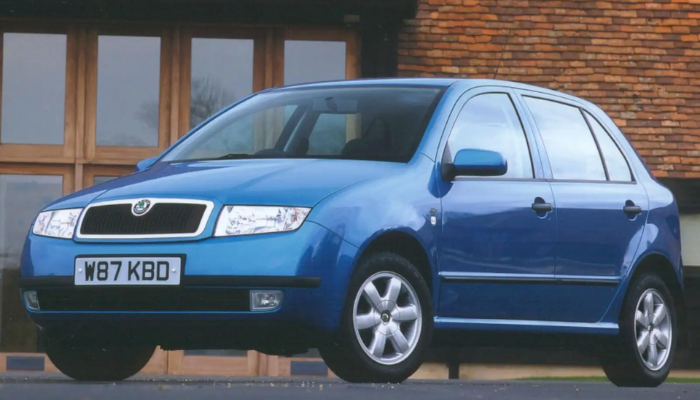
2000s Winner: Skoda Fabia 1.4 16V Comfort
The Skoda Fabia 1.4 16V Comfort was crowned What Car? Car of the Year in 2000, standing out for its strong build quality, generous specification and impressive value for money at the turn of the millennium.
The Connected Car Era: Redefining Technology in the 2010s
During the 2010s, car technology took a major leap. Touchscreens replaced physical buttons, sat-nav became common and smartphones became integrated via Apple CarPlay and music.
Advanced driver assistance systems such as cruise control, lane-keeping assist and autonomous emergency braking began to transform the driving experience. Cars started to actively support drivers - rather than simply responding to commands.
Electrification also accelerated, with hybrids maturing and electric cars becoming more practical everyday choices.
2010 Winner: Peugeot 3008 1.6 THP 150 Sport
The Peugeot 3008 1.6 THP 150 Sport took What Car? Car of the Year honours in 2010, recognised for blending the practicality of an MPV with the emerging appeal of crossover-style design.
Today and Beyond: Software on Wheels
Modern cars are now best described as computers on wheels. Software governs everything from power delivery and safety. AI now helps predict hazards, personalise settings and optimise routes in real time.
Connectivity has also transformed ownership, with real-time traffic updates, remote monitoring and predictive maintenance making cars part of a wider mobility ecosystem.
As the industry moves toward greater automation and electrification, the criteria for judging the best cars continue to evolve - just as they have since the first What Car? Awards in the 1970s.
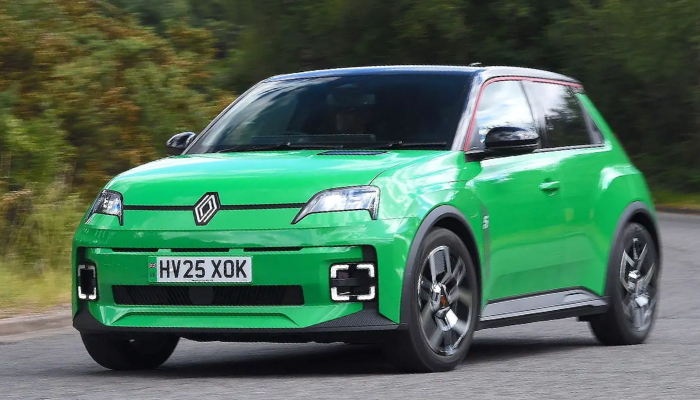
Last Years Winner: Renault 5
The Renault 5 is living proof it isn't expensive to go electric. City driving? Got it covered. Long road trip? Does that with ease. A perfect all-rounder!
A Big Night For The Industry - and MotorEasy
All of this progress brings us to today, as the What Car? Awards once again shine a spotlight on the cars setting the tone for modern motoring.
For MotorEasy, it’s a big night. As headline sponsor for the sixth consecutive year, we’re proud to continue our long-standing partnership with an awards programme that continues to help drivers make confident car-buying decisions.
Over the past six years, we’ve seen how quickly automotive technology is evolving – a progress the What Car? Awards continue to celebrate.
It’s one of the highlights of the automotive calendar, and we’re excited to see which models come out on top tonight!
Want to see the cars in the running? View the shortlist here.